

The Secret to a Professional Finish: Understanding Sandpaper Grits
When it comes to a high-quality paint job, the finish is only as good as the preparation. Sanding is one of the most critical steps in that process; it creates a "key" on the surface so the paint can bond properly and ensures the final result is smooth to the touch.
However, not all sandpaper is created equal. Using the wrong grit can either leave deep scratches that show through the paint or fail to smooth out imperfections entirely. Here is a breakdown of the common grits we use daily and how they function in the prep stage.
Aaron is using 120-grit sandpaper to prep the ceiling, ensuring better adhesion before applying the acrylic enamel. The proper way to sand is to follow the natural grain of the material as demonstrated.
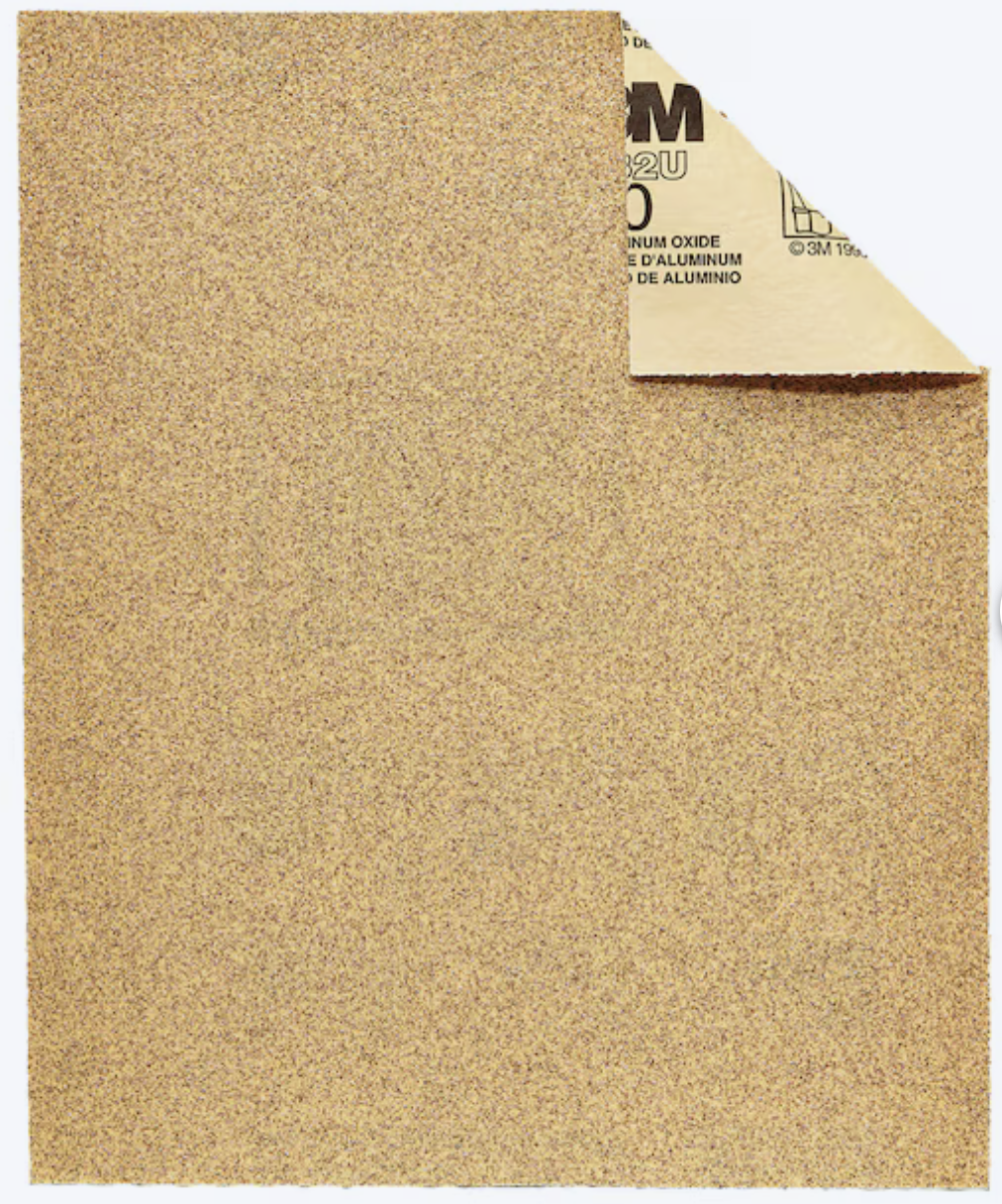
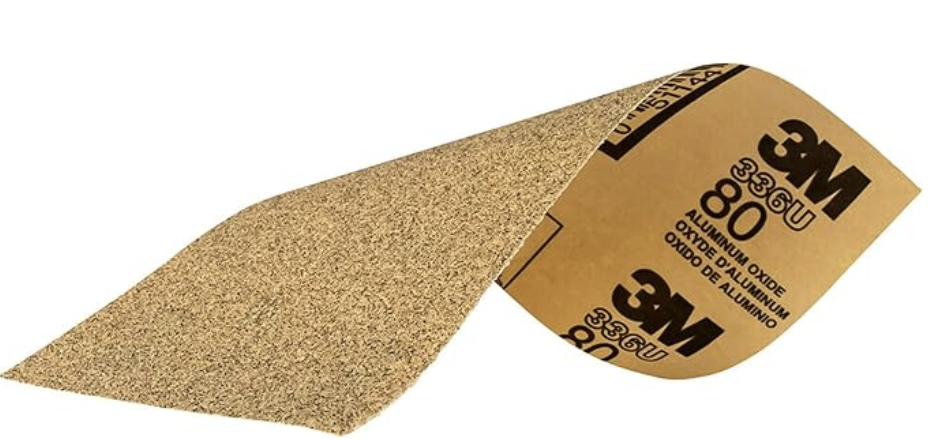
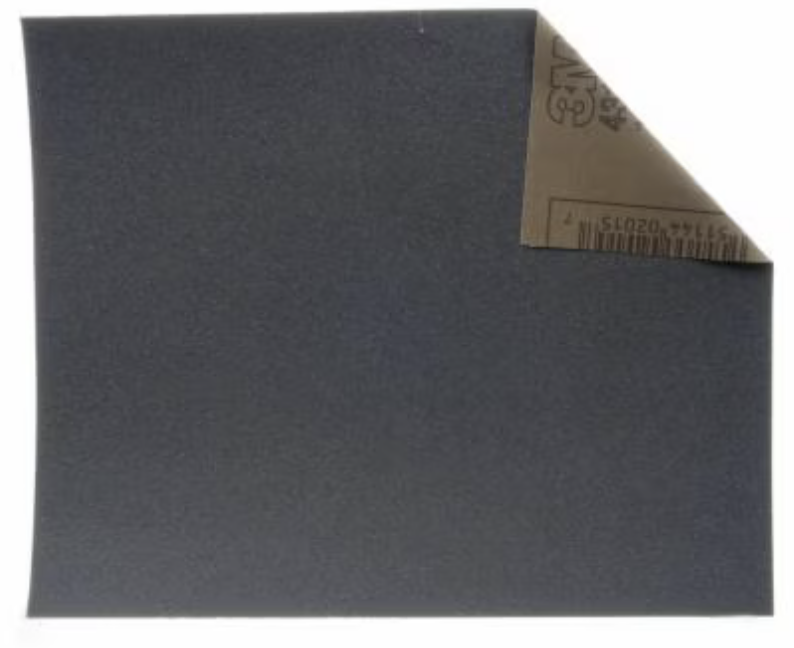
60 Grit: The Heavy Lifter
Function: Stripping and Levelling. 60 grit is a coarse sandpaper used when a surface is in rough shape. If you are dealing with peeling old paint, rusted metal, or uneven timber, 60 grit is the starting point. It is designed to remove material quickly.
Why it matters: It saves time on tough surfaces, but it leaves behind visible scratches that must be smoothed out by finer grits before any paint is applied.
80 Grit: The Surface Shaper
Function: Removing Imperfections. 80 grit is the "middle ground" of coarse sanding. It is ideal for smoothing out the deep scratches left by 60 grit or for prepping raw timber that is relatively flat but still has some surface roughness.
Why it matters: It provides enough "bite" for the primer to stick to a surface without being as aggressive as 60 grit.
120 Grit: The Essential Prep
Function: Final Smoothing and De-glossing. 120 grit is often considered the "sweet spot" for residential painting prep. It is fine enough to smooth out minor imperfections in filler or timber without leaving deep gouges.
Why it matters: It creates a perfectly uniform texture. If you are painting over an existing semi-gloss or gloss finish, a light sand with 120 grit "de-glosses" the surface, ensuring the new coat of paint doesn't peel or flake off.
Why Grit Choice Matters to Your Project
Skipping through the grits—or using a grit that is too coarse for the job—will lead to a finish that looks "scratchy" once the light hits the paint. Conversely, using a grit that is too fine for the initial prep will result in poor adhesion, meaning your beautiful new paint job might start to bubble or chip prematurely.
At Bufo Paint, we take the time to select the right progression of sandpaper for every surface, ensuring your home doesn't just look great on day one, but stays looking great for years to come.
Don’t forget to use PPE (Personal Protective Equipment) while sanding surfaces!