Woodwork
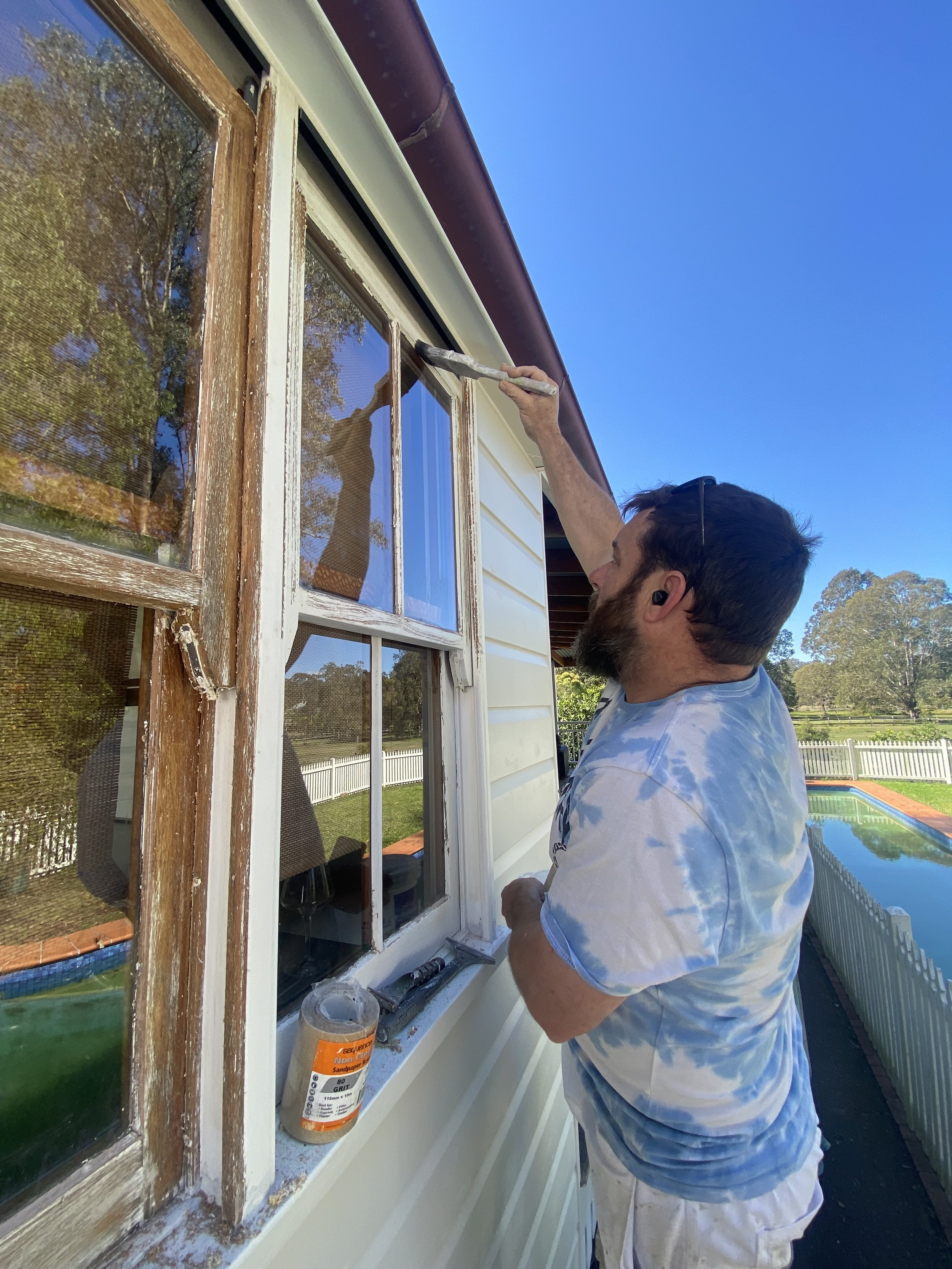
When painting woodwork including architraves, doors, skirting boards, windows, picture rails, fretwork, balustrades, and handrails, BUFO Paint follows a careful, multi-step process to achieve a finish that looks great and lasts. We start by thoroughly sanding all surfaces to remove debris, smooth imperfections, and lightly etch the surface so the new coatings can properly bond. An undercoat is then applied, chosen specifically to suit the existing substrate. This step is critical for ensuring strong adhesion and creating a stable, long-lasting base.
We often see the results of poor preparation on existing woodwork. This typically shows up as peeling, blistering, or surface crazing in the paint film. When we encounter these issues, patch repairs simply won’t last. The failed coatings must be completely removed so the surface can be properly prepared and the system rebuilt from the ground up.
Under coat & Acrylic enamel
Once the undercoat has cured, we fill and sand any holes, cracks, or joins before applying spot primer and at least two top coats. In most cases, we use high-quality acrylic enamel, which provides a beautifully smooth, durable finish. Acrylic enamel is more flexible than traditional oil-based enamel and performs far better in the harsh Australian sun, meaning it resists cracking, yellowing, and premature ageing over time. The result is crisp, clean woodwork that stays bright and hard-wearing for years to come.
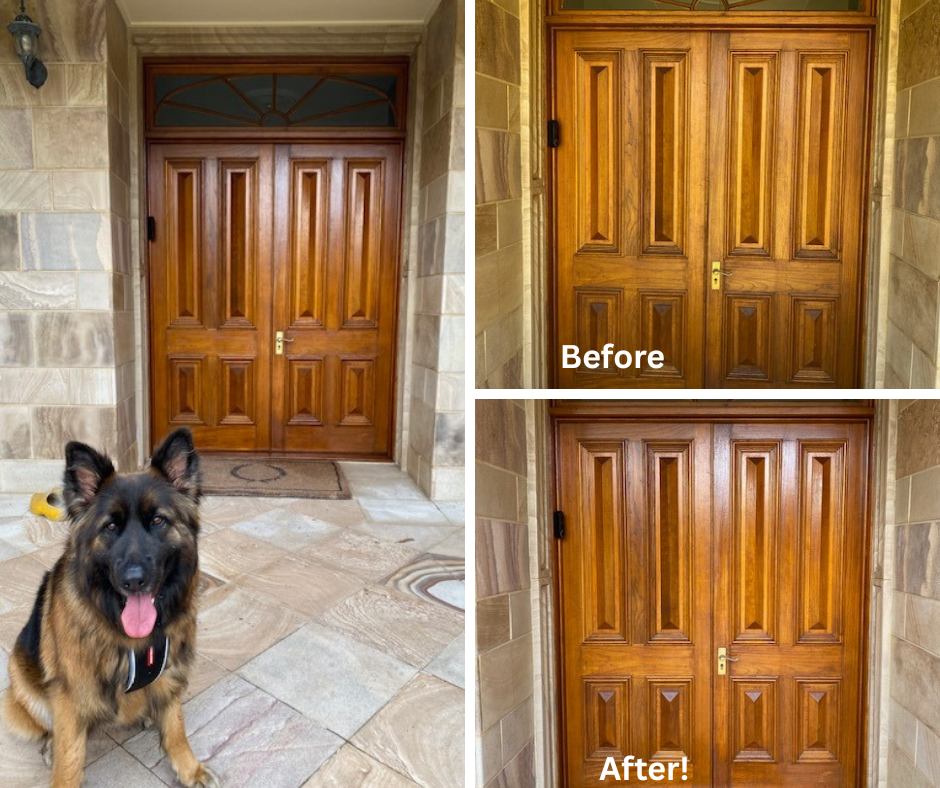
Clear Finishes
In some situations, a painted finish isn’t the right choice. Where timber grain and character are worth showcasing, we may recommend a clear finish instead. Depending on the application and exposure, this can include oils, stains, and varnishes, each selected to protect the surface while accentuating the natural beauty of the timber.